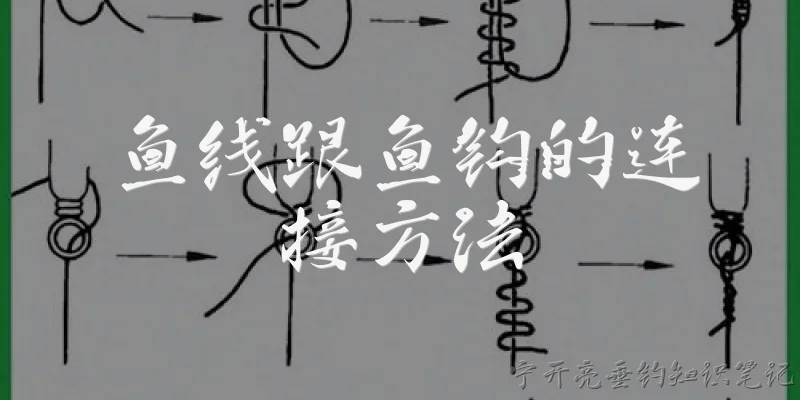
Figure-eight loop knot for fishing line:What is a figure-eight loop knot and how is it used in fishing?
Q: What is a figure-eight loop knot and how is it used in fishing?
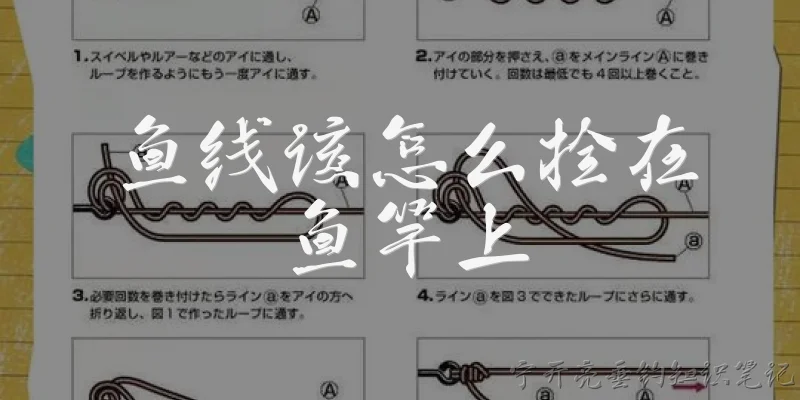
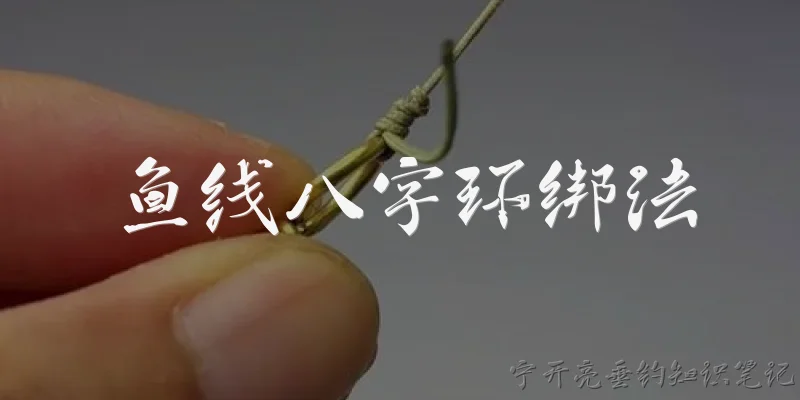
A: The figure-eight loop knot, also known as the figure-eight loop, is a fixed loop knot tied by forming a figure-eight in the tag end of the line and passing the tag end back through the starting loop. In fishing, it creates a strong, non-slipping loop at the end of a line or leader that can be used to attach hooks, lures, swivels, or snaps. Because the loop stays open, the attached tackle can move freely, which is especially useful for lures that need natural action in the water. It is simple to tie, easy to inspect, and relatively strong in monofilament and fluorocarbon lines, though it can slip in very slick braided line unless extra turns are added or a different knot is chosen. Anglers often use it as a terminal loop for drop-shot rigs, for attaching a leader to a main line, or as a general-purpose loop when a fixed connection is needed rather than a sliding one. Its main advantages are simplicity and a reliable, recognizable shape that is easy to check after tying.
Q: What is the difference between a figure-eight loop knot and a figure-eight follow-through knot for fishing?
A: The figure-eight loop knot and the figure-eight follow-through knot look similar but are tied and used differently. The figure-eight loop is tied in a single line: you form a figure-eight near the tag end and pass the tag end back through the first loop to create a fixed loop at the end of the line. The figure-eight follow-through, often called the figure-eight on a bight or rethreaded figure-eight, is tied by first making a figure-eight in a doubled line or by passing the tag end through an eye and then retracing the figure-eight path. In fishing, the follow-through version is commonly used to attach a hook or lure directly through its eye, since the knot passes through the eyelet before being completed. The simple figure-eight loop, by contrast, is usually tied first and then used to attach a swivel, snap, or loop-to-loop connection. Strength and slippage characteristics are similar, but the follow-through is bulkier at the eye and can be harder to tie with heavy line, while the standard loop is quicker and better for pre-tied leaders or loop-to-loop rigging.
Q: What are the best practices and limitations of the figure-eight loop knot with different fishing lines?
A: Best practices for the figure-eight loop knot include moistening the knot before tightening, pulling the standing line and tag end steadily so the figure-eight seats evenly, and trimming the tag end to about 1/8 inch. Always inspect the knot to confirm it forms a clean figure-eight with the loop the desired size, since a loose or crossed knot weakens it. With monofilament, the knot is reliable and easy to tie, though heavy mono may need larger loops and careful seating. Fluorocarbon is stiffer and can be less forgiving; use extra care to avoid abrasion and test the knot before casting. Braided line is slippery, so the standard figure-eight loop can slip under load; many anglers add extra wraps, use a double figure-eight, or choose a dedicated braid loop knot. The knot generally retains a moderate percentage of line strength rather than near-full strength, so it is best for terminal connections and loop-to-loop rigging rather than heavy shock applications. In saltwater or abrasive environments, retie after significant wear, and avoid using it where a compact, low-profile knot is required.
Words of experience
Common scenarios of "Figure-eight loop knot for fishing line"
【Angler】 Hey, I keep losing fish because my knots slip. Someone told me to try the figure-eight loop knot. Is that a good idea?
【Fishing Guide】 The figure-eight loop is a solid choice for certain situations. It creates a fixed loop at the end of your line, which is great for attaching lures or hooks that need free movement. What kind of fishing are you doing?
【Angler】 Mostly freshwater bass and trout. I use lures and sometimes live bait. Would the figure-eight work for both?
【Fishing Guide】 It works well for lures, especially crankbaits and topwater, because the loop lets them move naturally. For live bait, a loop knot can also help the bait swim more freely. But keep in mind it's not the strongest knot for heavy cover.
【Angler】 So if I'm fishing around rocks and logs, I might want something else?
【Fishing Guide】 Exactly. In heavy cover, a tight knot like the Palomar or improved clinch is more abrasion-resistant. The figure-eight loop is better in open water where you want lure action.
【Angler】 Got it. How do I actually tie the figure-eight loop? I've seen diagrams but they confuse me.
【Fishing Guide】 Let me walk you through it. First, double your line to form a loop about six inches long. Then cross the doubled line over itself to make a simple loop, like the start of a figure eight.
【Angler】 Okay, I've got a loop and crossed it. Then what?
【Fishing Guide】 Take the end of the doubled line and pass it through the loop you just made, going around the standing part. That's the figure-eight pattern. Then wet the knot and pull it tight slowly.
【Angler】 Wet the knot? Why is that important?
【Fishing Guide】 Wetting reduces friction so the line doesn't weaken from heat when you cinch it down. Always lubricate any knot before tightening, especially with fluorocarbon.
【Angler】 Makes sense. How many turns or passes should I make? I've heard different numbers.
【Fishing Guide】 For the figure-eight loop, typically you pass the doubled tag end through the loop twice, creating the eight shape. Some anglers do three passes for extra security with slippery lines like braid.
【Angler】 I use braid sometimes. Does the figure-eight work well with braid?
【Fishing Guide】 Braid is slippery, so you need more passes and a very tight cinch. Honestly, for braid, a loop knot like the non-slip mono loop might be better. But the figure-eight can work if you're careful.
【Angler】 What's the difference between the figure-eight loop and the non-slip mono loop?
【Fishing Guide】 The non-slip mono loop is tied differently and tends to be more streamlined. The figure-eight is bulkier but easier to inspect. Both give you a loop, but the non-slip mono loop is often preferred for bigger fish.
【Angler】 Should I use the figure-eight for trout? They're line-shy.
【Fishing Guide】 For trout, a small loop knot is great because it gives lures and flies more action. Just keep the loop small—about half an inch—so it doesn't spook them. And use lighter line.
【Angler】 Alright. Any tips for making sure the knot is tied correctly before I cast?
【Fishing Guide】 Always test it by pulling steadily on the hook and the standing line. The loop should close slightly but not slip. If it slides, retie. Also check that the tag end is trimmed neatly.
【Angler】 Thanks! I'll practice at home before hitting the water. One last thing—how does the figure-eight compare in strength to the Palomar?
【Fishing Guide】 The Palomar is generally stronger—often near 100% line strength—while the figure-eight loop might be around 80-90%. But the loop's advantage is lure action. It's a trade-off. Practice both and use the right one for the situation.