
How to Tie Fishing Line to a Hook:What is the easiest and most reliable knot for tying fishing line to a hook?
Q: What is the easiest and most reliable knot for tying fishing line to a hook?
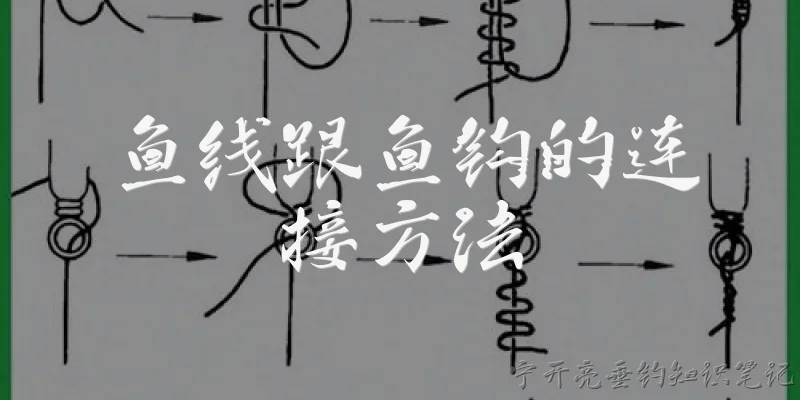
A: The improved clinch knot is widely considered the easiest and most reliable knot for tying fishing line to a hook, especially for monofilament and fluorocarbon lines up to 30-pound test. To tie it, thread the line through the hook eye, leaving about six inches of tag end. Wrap the tag end around the standing line five to seven times. Then, take the tag end and pass it through the small loop just above the hook eye, and then through the larger loop you just created. Moisten the knot with water or saliva to reduce friction, then pull the standing line steadily while holding the tag end until the knot cinches down against the hook eye. Trim the tag end close. This knot is strong, easy to learn, and works well for most freshwater and light saltwater fishing. For heavier lines or braid, consider the Palomar knot, which is even simpler and retains nearly 100% line strength.
Q: How do I tie a hook to braided fishing line without it slipping?
A: Braided fishing line is slippery, so standard knots like the improved clinch can slip under tension. The best knot for braid is the Palomar knot, which is simple, strong, and resistant to slipping. Start by doubling about six inches of braid and passing the loop through the hook eye. Tie a loose overhand knot with the doubled line, leaving the hook hanging from the loop. Then, pass the loop over the hook and pull it up above the eye. Wet the knot and pull both the standing line and tag end evenly to cinch it tight against the hook eye. Trim the tag end. Because braid has low friction, you can also add a drop of superglue to the knot for extra security, but it's usually unnecessary. Alternatively, the Uni knot works well for braid; just make five to seven wraps through the eye before sliding the knot down. Always test the knot with a strong pull before casting.
Q: What are common mistakes to avoid when tying fishing line to a hook?
A: Common mistakes when tying fishing line to a hook include failing to moisten the knot before tightening, which can cause friction and weaken the line. Another mistake is not pulling the knot tight enough, leaving a loose loop that can slip or fail under load. With braided line, using a knot designed for monofilament (like the improved clinch) often leads to slipping; instead, use a Palomar or Uni knot. Also, avoid trimming the tag end too short—leave about 1/8 inch to prevent the knot from unraveling. Over-tightening can also damage the line, especially with fluorocarbon, so tighten steadily rather than jerking. Finally, always check the knot's integrity by pulling firmly on the hook and line before casting. If the knot looks uneven or the line is kinked, retie it. A properly tied knot should look neat, be snug against the hook eye, and hold strong during a fight with a fish.
Words of experience
Common scenarios of "How to Tie Fishing Line to a Hook"
【Novice Fisherman】 Hi! I'm new to fishing and I'm having trouble tying my line to the hook. Can you help me?
【Expert Fisherman】 Absolutely! I'd be happy to help. Which knot are you trying to tie?
【Novice Fisherman】 I've heard about the improved clinch knot. Is that a good one?
【Expert Fisherman】 Yes, the improved clinch knot is a great choice for tying monofilament line to a hook. It's strong and relatively easy to learn.
【Novice Fisherman】 Okay, so how do I start?
【Expert Fisherman】 First, thread the tag end of the line through the eye of the hook. Pull about 6 inches of line through.
【Novice Fisherman】 Got it. Then what?
【Expert Fisherman】 Now, wrap the tag end around the standing part of the line five to seven times. Make sure the wraps are neat and not overlapping.
【Novice Fisherman】 Like a spiral? And should I wrap away from the hook or towards it?
【Expert Fisherman】 Yes, like a spiral. Wrap away from the hook, around the standing line. After wrapping, you'll have a small loop above the eye of the hook.
【Novice Fisherman】 I see. Then I need to pass the tag end through that loop, right?
【Expert Fisherman】 Exactly. Pass the tag end through the loop you just created near the eye, then bring it around and pass it through the big loop you formed by the wraps.
【Novice Fisherman】 Wait, I'm a bit confused. Can you clarify the steps after wrapping?
【Expert Fisherman】 Sure. After wrapping, you have a loop closest to the eye. Pass the tag end through that loop. Then, immediately after, pass the tag end through the larger loop that was formed by the wraps. It's like threading through two loops in sequence.
【Novice Fisherman】 Okay, I think I did that. Now what?
【Expert Fisherman】 Now, wet the knot with some water or saliva to lubricate it, then pull the tag end to tighten the knot. Make sure it snuggs down against the eye of the hook.
【Novice Fisherman】 Should I pull the standing line too?
【Expert Fisherman】 Yes, pull both the tag end and the standing line to ensure the knot is tight and seated properly. Then trim the tag end close to the knot.
【Novice Fisherman】 Great! I think I got it. Thanks for the help!
【Expert Fisherman】 You're welcome! Practice it a few times, and you'll be tying it in no time. Tight lines!