Jiange Reservoir:What is Jiange Reservoir and where is it located?
Q: What is Jiange Reservoir and where is it located?
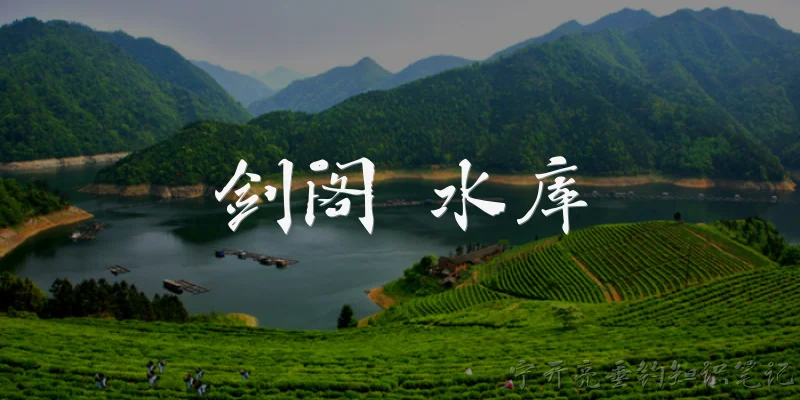
A: Jiange Reservoir is a significant water conservancy project situated in Jiange County, Guangyuan City, Sichuan Province, China. It is built on the Xihan River, a tributary of the Jialing River, and serves multiple purposes including flood control, irrigation, water supply, and power generation. The reservoir is located in a mountainous region with abundant rainfall, making it an ideal spot for water storage. Its construction was part of a broader effort to manage water resources in the Sichuan Basin and support local agricultural and industrial development. The reservoir has a total storage capacity of approximately 167 million cubic meters, which helps regulate water flow downstream, especially during the flood season. The area around Jiange Reservoir is known for its scenic beauty, with lush hills and clear waters, attracting visitors interested in nature and eco-tourism. The reservoir also plays a crucial role in supporting the local economy by providing water for irrigation and drinking, as well as generating hydroelectric power. Overall, Jiange Reservoir is a vital infrastructure asset for the region, balancing human needs with environmental management.
Q: What are the main functions and benefits of Jiange Reservoir?
A: Jiange Reservoir serves several key functions that benefit both the local community and the environment. Primarily, it acts as a flood control facility, mitigating the risk of downstream flooding in the Xihan River basin by storing excess water during heavy rains. This protection is vital for the safety of nearby towns and agricultural lands. Secondly, the reservoir provides irrigation water for thousands of hectares of farmland, supporting the cultivation of crops such as rice, wheat, and vegetables, which are essential for the local economy. Additionally, it supplies drinking water to surrounding areas, ensuring a reliable source for residents and industries. The reservoir also includes a hydroelectric power station, generating clean energy that contributes to the regional grid and reduces reliance on fossil fuels. Furthermore, the serene environment around the reservoir has become a destination for tourism and recreation, boosting local businesses. The ecosystem of the reservoir supports fish populations and wildlife, although management practices aim to balance ecological health with human use. In summary, Jiange Reservoir is a multi-purpose project that enhances water security, promotes economic growth, and offers environmental benefits.
Q: How does Jiange Reservoir contribute to local tourism and recreation?
A: Jiange Reservoir has become a notable attraction for tourism and recreation in Sichuan Province, thanks to its picturesque setting and diverse activities. The reservoir is surrounded by rolling hills, dense forests, and clear waters, creating a tranquil atmosphere that appeals to nature lovers and photographers. Visitors can enjoy boating and fishing on the lake, with certain areas designated for these activities. The shoreline offers opportunities for hiking, picnicking, and camping, allowing people to immerse themselves in the outdoors. The local government has developed some infrastructure, such as viewing platforms and walking paths, to enhance the visitor experience. Additionally, the reservoir is often included in regional tours that highlight the cultural and historical sites of Jiange County, known for its connection to the ancient Shu Road and Three Kingdoms history. This combination of natural beauty and cultural heritage draws tourists, contributing to the local economy through hotels, restaurants, and souvenir shops. However, there is a focus on sustainable tourism to protect the reservoir's environment. Overall, Jiange Reservoir provides a peaceful escape from urban life and supports the region's tourism industry.
Words of experience
Common scenarios of "Jiange Reservoir"
【Tourist】 Excuse me, is this Jiange Reservoir?
【Local】 Yes, it is. Are you here for sightseeing?
【Tourist】 Yes, I heard it's beautiful. Can you tell me more about it?
【Local】 Sure! Jiange Reservoir is one of the largest reservoirs in the region. It was built in the 1970s for irrigation and flood control.
【Tourist】 Wow, that's interesting. What's the best time to visit?
【Local】 Spring and autumn are the best. The weather is mild, and the scenery is stunning with blooming flowers or autumn leaves.
【Tourist】 Are there any activities available around the reservoir?
【Local】 Definitely. You can go boating, fishing, or hiking along the trails. There's also a picnic area.
【Tourist】 Sounds great! Is there an entrance fee?
【Local】 No, it's free to enter. But some activities like boat rentals have a fee.
【Tourist】 How do I get there from the city center?
【Local】 You can take bus No. 5, which stops right at the reservoir's main gate. It takes about 30 minutes.
【Tourist】 Thanks! Are there any restaurants nearby?
【Local】 Yes, there are a few local eateries that serve fresh fish from the reservoir. I recommend trying the grilled carp.
【Tourist】 I'll keep that in mind. Is it safe to swim in the reservoir?
【Local】 Swimming is not allowed because the water is deep and there are underwater currents. But you can wade near the shore.
【Tourist】 Good to know. What about the history of the reservoir?
【Local】 It was named after the nearby Jiange Mountains. The project involved thousands of workers and took over five years to complete.
【Tourist】 That's quite a feat. Are there any legends about it?
【Local】 There's a legend that a dragon lives in the reservoir and protects the area from droughts. People sometimes leave offerings at the shrine near the dam.