Paradise Bay Reservoir:What is Paradise Bay Reservoir and where is it located?
Q: What is Paradise Bay Reservoir and where is it located?
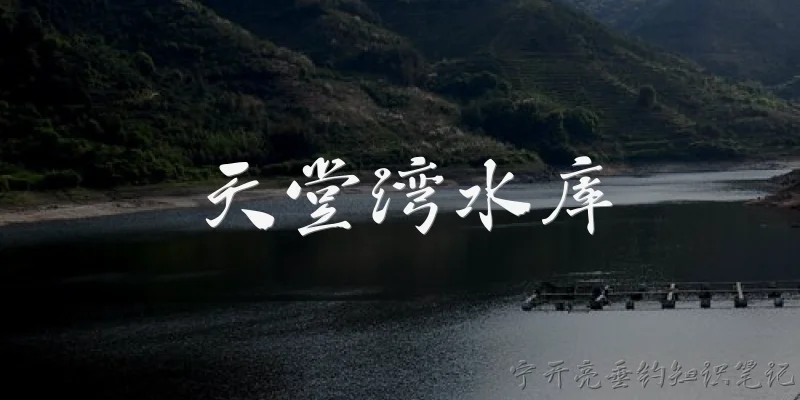
A: Paradise Bay Reservoir is a man-made water storage facility that serves both recreational and municipal purposes. It is typically located in a scenic valley region, often surrounded by hills or mountains that feed it through seasonal streams and precipitation. While specific coordinates vary, many reservoirs named Paradise Bay are found in North America, particularly in areas with a history of water management for agriculture and urban supply. The reservoir's name reflects its reputation for clear water and picturesque views, making it a local landmark for fishing, boating, and hiking.
Q: What recreational activities are allowed at Paradise Bay Reservoir?
A: Paradise Bay Reservoir commonly permits a range of recreational activities, though regulations vary by managing agency. Typical allowed uses include fishing for species like bass, trout, and catfish, as well as non-motorized boating such as kayaking and canoeing. Some reservoirs also allow small electric-motor boats. Swimming is often prohibited due to safety and water quality concerns. Picnicking, hiking, and wildlife viewing are usually permitted along designated shorelines. Visitors should check local rules, as some reservoirs restrict access during certain seasons to protect nesting birds or maintain water quality.
Q: What is the primary purpose of Paradise Bay Reservoir?
A: The primary purpose of Paradise Bay Reservoir is typically water storage for municipal supply, irrigation, or both. During wet seasons, it captures runoff from surrounding watersheds, which is then released during dry periods to support agriculture, drinking water treatment plants, or industrial needs. Some reservoirs also serve flood control by attenuating peak flows. In certain cases, hydroelectric power generation may be a secondary purpose. Recreation and wildlife habitat are often additional benefits, but they are usually subordinate to the reservoir's core water management function.
Q: Are there any environmental concerns associated with Paradise Bay Reservoir?
A: Yes, like many reservoirs, Paradise Bay Reservoir can face environmental concerns. These include altered downstream flow regimes that affect native fish and riparian ecosystems, sediment trapping that reduces downstream nutrient delivery, and potential water quality issues such as algal blooms from nutrient runoff. Shoreline erosion and loss of riparian vegetation are also common. Management agencies often implement mitigation measures, such as minimum flow releases, aeration systems, and buffer zones. Invasive species, both aquatic plants and animals, can also threaten the reservoir's ecology, requiring monitoring and public education to prevent spread.
Q: How can visitors prepare for a trip to Paradise Bay Reservoir?
A: Visitors should first check the reservoir's official website or contact the managing agency for current rules on boating, fishing, and access hours. Bring sun protection, plenty of water, and appropriate footwear for uneven shoreline trails. If fishing, ensure you have a valid state license and know catch limits. For boating, verify whether motorized vessels are allowed and if there is a boat ramp. Pack out all trash to protect water quality. Be aware that facilities like restrooms and picnic tables may be limited, so plan accordingly. Cell service can be spotty, so download maps in advance.
Dialogue about
Common scenarios of "Paradise Bay Reservoir"
【Local Fisherman】 Morning, folks. The water's calm today at Paradise Bay Reservoir. Perfect for fishing.
【Environmental Scientist】 Good morning. I'm here to collect samples. Have you noticed any changes in the water quality recently?
【Local Fisherman】 Well, the algae seems thicker than usual near the eastern shore. Could be from the heat.
【Environmental Scientist】 That's concerning. Algal blooms can indicate nutrient runoff. Are there farms upstream?
【Local Fisherman】 Yeah, a few. But they've been there for decades. This year just feels different.
【Park Ranger】 Excuse me, I couldn't help overhearing. We've had reports of dead fish near the dam last week.
【Environmental Scientist】 Dead fish? That's a serious sign. Did you collect any samples?
【Park Ranger】 We did. Sent them to the state lab. Still waiting for results.
【Local Fisherman】 I hope it's not something serious. This reservoir is our livelihood.
【Environmental Scientist】 I'll take extra samples today. If there's a toxin, we need to know quickly.
【Local Fisherman】 Should we stop fishing? My family depends on this catch.
【Park Ranger】 Not yet. But maybe avoid eating the fish until we get the lab results.
【Environmental Scientist】 I agree. In the meantime, I'll check for cyanobacteria. They can produce harmful toxins.
【Local Fisherman】 Cyanobacteria? You mean blue-green algae? I've seen some patches.
【Environmental Scientist】 Exactly. Can you show me where you saw them?
【Local Fisherman】 Sure, it's just around that bend, near the old oak tree.
【Park Ranger】 I'll come along. We should mark the area and maybe put up a warning sign.
【Environmental Scientist】 Good idea. Also, we need to inform the water treatment plant downstream.
【Local Fisherman】 I'll call my brother. He works at the treatment plant. He should know.
【Park Ranger】 Thanks. Let's meet back here at noon with updates. Stay safe, everyone.