
Connecting a fluorocarbon leader to the main line for lure fishing:What is the best knot for connecting a fluorocarbon leader to the main line when lure fishing?
Q: What is the best knot for connecting a fluorocarbon leader to the main line when lure fishing?
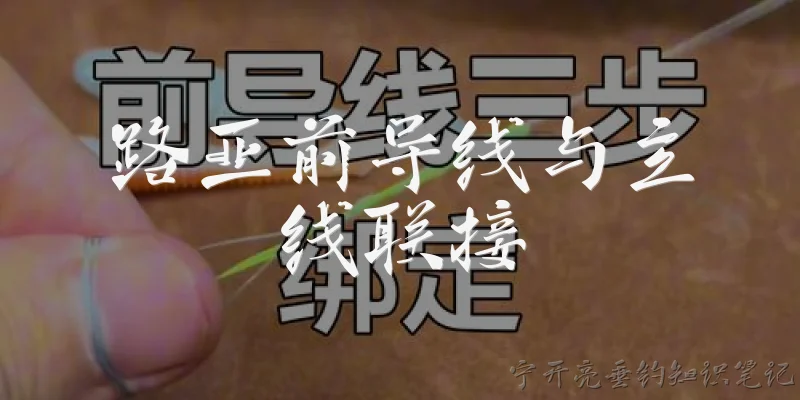
A: The best knot depends on the main line type. For braided main line, the FG knot is widely considered the strongest and most streamlined, passing easily through guides. It involves weaving the braid around the fluorocarbon in a series of half-hitches, then locking with a rizutto finish. For monofilament main line, the double uni knot or the Alberto knot are excellent choices. The Alberto knot is quick to tie and handles diameter differences well. The blood knot works for similar diameters but is weaker with fluorocarbon. Always moisten the knot before tightening to prevent friction damage, and test the connection with a steady pull. Practice at home to ensure reliability, as a failed leader knot can cost you a trophy fish.
Q: How long should a fluorocarbon leader be when lure fishing?
A: Leader length depends on water clarity, fishing pressure, and lure presentation. For clear water and spooky fish, use a longer leader, typically 6 to 12 feet. This keeps the visible main line away from the lure. In stained or murky water, a shorter leader of 2 to 4 feet suffices. When casting, ensure the leader knot stays outside the rod tip to avoid damage. For vertical jigging or dropshotting, a 3 to 6 foot leader is common. Some anglers use a leader as long as the rod for finesse techniques. Always consider the impact on casting distance; a very long leader can reduce it. Adjust based on fish behavior and conditions, and carry pre-tied leaders for quick changes.
Q: Can I use a swivel to connect fluorocarbon leader to main line for lure fishing?
A: Yes, you can use a swivel, but it's generally not recommended for lure fishing because it adds bulk and can affect lure action. A swivel creates a weak point and may attract attention in clear water. However, it simplifies connection and reduces line twist, especially with spinning gear. If you use one, choose a high-quality barrel swivel sized appropriately. For better performance, tie a direct leader knot like the FG or Alberto. If twist is a problem, use a small swivel far from the lure, such as between main line and leader, but keep it out of the rod tip during casting. Ultimately, direct knots offer better sensitivity and stealth, which are crucial for wary fish.
Q: What are common mistakes when connecting fluorocarbon to main line for lure fishing?
A: Common mistakes include: not moistening the knot before tightening, which causes friction and weakens it; overtightening, which can damage fluorocarbon; using mismatched diameters, making knots bulky or weak; and trimming tags too short, leading to slippage. Another error is tying a knot unsuitable for the line types, such as a blood knot with very different diameters. Also, neglecting to retie after catching a fish or snagging can lead to failure. Always check the knot for integrity before casting, and retie if it looks compromised. Practice tying at home to build muscle memory. Remember that fluorocarbon is stiffer and more brittle than monofilament, so handle it with care to maintain strength.
Words of experience
Common scenarios of "Connecting a fluorocarbon leader to the main line for lure fishing"
【Angler】 Hey, I've been having trouble connecting my fluorocarbon leader to my braided main line. What's the best knot for lure fishing?
【Fishing Guide】 Great question! For lure fishing, the most popular knot is the FG knot. It's strong, slim, and passes through guides easily. Have you tried it?
【Angler】 I've heard of it but never tied it. Is it difficult to learn?
【Fishing Guide】 It takes some practice, but once you get it, it's quick. You basically weave the braid around the fluorocarbon under tension. There are plenty of video tutorials.
【Angler】 I see. What about the Alberto knot? I've seen people use that too.
【Fishing Guide】 The Alberto knot is easier to tie and still very reliable. It's a good alternative if you're struggling with the FG. It's a bit bulkier but works well for most lure fishing.
【Angler】 Which one would you recommend for a beginner?
【Fishing Guide】 I'd start with the Alberto knot. It's more forgiving and still strong. Once you're comfortable, you can try the FG for its low profile.
【Angler】 Okay, I'll try the Alberto first. What's the ideal length for the fluorocarbon leader?
【Fishing Guide】 For lure fishing, a leader of about 1 to 2 meters is common. It gives you enough stretch and abrasion resistance without being too long to cast.
【Angler】 Should I use a swivel or tie directly?
【Fishing Guide】 For lure fishing, it's best to tie directly. Swivels can affect lure action and add extra hardware that might spook fish. Direct connection is smoother.
【Angler】 Got it. What pound test fluorocarbon should I use with 20 lb braid?
【Fishing Guide】 A good rule is to match the leader to the braid's diameter or slightly heavier. For 20 lb braid, a 15-20 lb fluorocarbon leader is typical. It depends on the fish species and structure.
【Angler】 I'm targeting bass in clear water with some cover. Would 15 lb be okay?
【Fishing Guide】 Yes, 15 lb fluorocarbon is a great choice for bass in clear water. It's less visible and still strong enough for most situations. Just check for abrasion after each catch.
【Angler】 Thanks! Any tips for tying the Alberto knot properly?
【Fishing Guide】 Make sure to lubricate the knot before cinching it down to prevent friction damage. Also, leave a small tag end and trim it close. Test the knot with a steady pull before casting.
【Angler】 Great advice. I'll practice at home. Appreciate the help!
【Fishing Guide】 You're welcome! Tight lines! Remember, practice makes perfect. Once you master it, you'll spend less time tying and more time fishing.