Corn baijiu distillers grains:What are corn baijiu distillers grains and how are they produced?
Q: What are corn baijiu distillers grains and how are they produced?
A: Corn baijiu distillers grains are the solid byproduct remaining after corn-based Chinese baijiu is fermented and distilled. The process begins with corn that is cooked, mixed with a fermentation starter (qu), and fermented in pits or cellars. After fermentation, the mash is steam-distilled to extract alcohol, and the residual solid material is the distillers grains. Because baijiu production often uses multiple grains, corn distillers grains may contain other grains and husks in varying proportions. Fresh distillers grains are wet, acidic, and rich in residual starch, protein, fiber, and fermented aromatics. Their composition depends on the corn-to-other-grain ratio, fermentation time, and distillation method. In China these grains are produced in large volumes by baijiu distilleries, making their efficient utilization an important issue for both economic and environmental reasons.
Q: What are the main nutritional components and potential uses of corn baijiu distillers grains?
A: Corn baijiu distillers grains typically contain residual starch, crude protein, crude fiber, fats, minerals, and fermentation metabolites such as organic acids and flavor compounds. Because some starch and protein remain after distillation, the grains have feeding value and are commonly used as a supplementary feed for cattle, sheep, and other livestock, often after drying or ensiling. Beyond animal feed, they can serve as a substrate for biogas production, composting, or cultivation of edible fungi and microorganisms. Some studies explore extracting dietary fiber, bioactive compounds, or flavor substances from distillers grains. However, high moisture, acidity, and susceptibility to spoilage mean fresh grains must be used or preserved quickly. Their variable composition also requires analysis before use in feed formulations or industrial processing, so utilization strategies should match local supply and demand.
Q: What challenges exist in storing and utilizing fresh corn baijiu distillers grains?
A: Fresh corn baijiu distillers grains have high moisture content, usually well above 50 percent, along with acidic pH and abundant residual nutrients, making them highly prone to microbial spoilage, mold growth, and offensive odors within a short time. Storage is further complicated by seasonal production peaks, limited drying capacity, and the high energy cost of dehydration. If dumped or poorly managed, the grains can pollute soil and water and release greenhouse gases. Nutritionally, the material is variable and may contain husks, other grains, and fermentation residues that reduce digestibility for some animals. Practical solutions include rapid feeding near distilleries, ensiling with additives, drying for longer-distance transport, or processing into biogas and compost. Effective logistics, standardized quality assessment, and integrated utilization chains are key to reducing waste and realizing the resource value of these grains.
Q: How can corn baijiu distillers grains be used more sustainably in a circular economy?
A: In a circular economy, corn baijiu distillers grains can be treated as a resource rather than waste. The most mature route is feed production, especially for ruminants, where residual nutrients are converted into meat and milk. Anaerobic digestion to produce biogas and digestate offers another option, turning organic matter into renewable energy and fertilizer while reducing disposal burdens. Composting and vermicomposting can return nutrients to farmland, though salt and acidity need monitoring. Emerging approaches include using the grains as a substrate for cultivating edible fungi, single-cell protein, or enzymes, and extracting dietary fiber or bioactive compounds before final energy recovery. Combining these routes in a cascading system, such as feed or extraction first and biogas from residues, maximizes value. Success depends on cooperation among distilleries, farmers, and processors, plus policy support for collection, storage, and quality standards.
Words of experience
Common scenarios of "Corn baijiu distillers grains"
【Distiller】 Welcome to the workshop! Today we're going to talk about corn baijiu distillers grains, also known as jiucao. Have you seen them before?
【Visitor】 I've heard the term but never seen them up close. What exactly are corn baijiu distillers grains?
【Distiller】 They're the solid residue left after fermenting and distilling corn-based baijiu. Think of them as the spent grain—corn, sorghum sometimes, plus the husks and yeast, after the alcohol has been steamed out.
【Visitor】 So they're a byproduct of the distillation process. What do they look like?
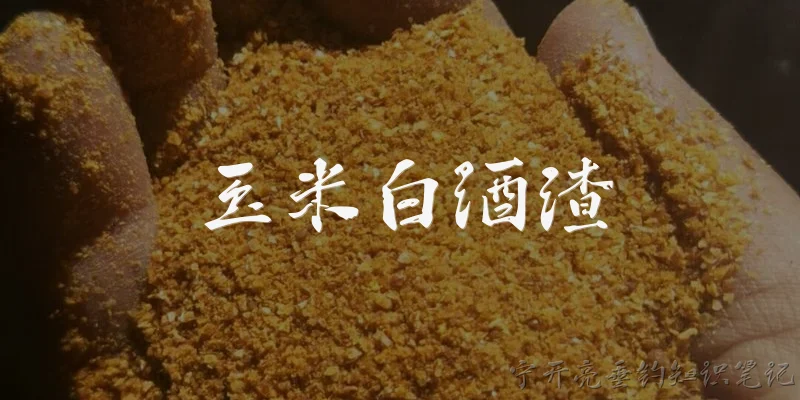
【Distiller】 Fresh jiucao are warm, moist, and have a strong sour-sweet fermented smell. The color ranges from pale yellow to dark brown depending on the grain mix and fermentation time.
【Visitor】 That smell must be intense. What's typically done with them after distillation?
【Distiller】 Most commonly they're sold as livestock feed—especially for cattle and pigs—because they still contain protein, fiber, and some residual starch. Some are used as fertilizer or compost.
【Visitor】 Is it safe to feed directly, or does it need processing?
【Distiller】 Fresh jiucao spoil quickly, so farmers often ensile them or dry them. Feeding fresh is possible but must be balanced, since the acidity and moisture are high.
【Visitor】 Are there other uses besides feed and fertilizer?
【Distiller】 Yes—some distilleries extract flavor compounds or use them in biogas production. There's also research into using jiucao for edible mushroom cultivation and as a substrate for enzymes.
【Visitor】 Interesting. How does the corn variety affect the distillers grains?
【Distiller】 Different corn types change the starch-to-fiber ratio and the aroma. Waxy corn gives stickier grains, while flint corn yields firmer, more fibrous jiucao.
【Visitor】 Does the distillation method matter—say, solid-state versus liquid fermentation?
【Distiller】 Absolutely. Solid-state fermentation, common in traditional baijiu, produces chunky, moist jiucao. Liquid fermentation leaves a wetter, more slurry-like residue.
【Visitor】 What about the environmental impact of large amounts of jiucao?
【Distiller】 That's a real concern. If left untreated, jiucao can pollute water and soil due to high organic load. That's why many distilleries now have contracts with feed mills or compost facilities.
【Visitor】 Are there regulations on how distilleries must handle them?
【Distiller】 In China, environmental rules require proper disposal and encourage resource utilization. Some regions have specific standards for jiucao storage and transport to prevent leachate.
【Visitor】 Could jiucao be used in human food, like a novel ingredient?
【Distiller】 Some studies explore extracting dietary fiber or flavor from jiucao, but food safety and palatability are hurdles. For now, it's mainly animal feed and industrial use.
【Visitor】 How does the nutritional value compare to fresh corn?
【Distiller】 Lower in starch and energy, but higher in crude fiber and still decent in protein. The fermentation also adds yeast cells and organic acids, which can benefit animal digestion.
【Visitor】 Do different baijiu styles produce noticeably different jiucao?
【Distiller】 Yes. Strong-aroma baijiu jiucao tends to be more acidic and aromatic, while light-aroma ones are milder. The grain recipe—pure corn versus mixed grains—also shifts the profile.
【Visitor】 This has been very informative. Any final advice for someone handling jiucao?
【Distiller】 Handle it fresh, keep it cool and covered to avoid spoilage, and test its composition before feeding. And remember—it's not waste, it's a resource if managed well.