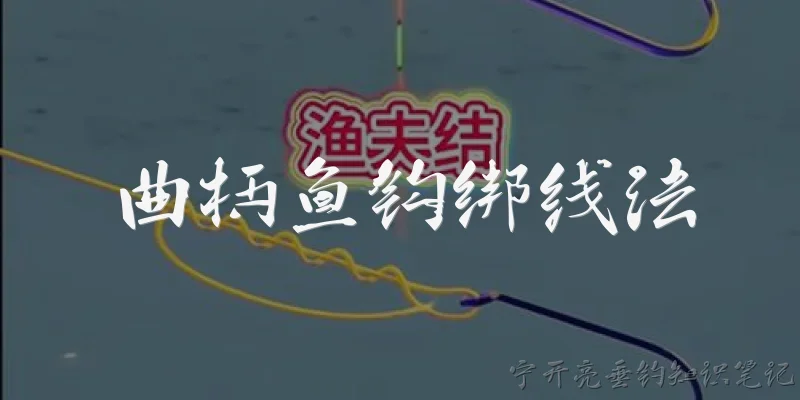
How to tie a fish hook - Baidu:How do I tie a fish hook using the improved clinch knot?
Q: How do I tie a fish hook using the improved clinch knot?
A: The improved clinch knot is one of the most popular and reliable knots for tying a fish hook. Start by threading the fishing line through the hook's eye, leaving about six inches of tag end. Wrap the tag end around the standing part of the line five to seven times. Next, take the tag end and pass it through the small loop just above the eye, then back through the large loop you just created. Wet the knot with saliva or water to reduce friction, then pull the standing line steadily while holding the hook. Slide the knot down tight against the eye. Trim the excess tag end with nippers. This knot works well for monofilament and fluorocarbon lines up to 25-pound test and maintains high strength for most freshwater and light saltwater fishing.
Q: What is the easiest knot for beginners to tie a fish hook?
A: For beginners, the Palomar knot is often considered the easiest and strongest knot for tying a fish hook. Begin by doubling about six inches of line and passing the loop through the hook's eye. Tie a simple overhand knot with the doubled line, but do not tighten it completely. Next, pass the loop end over the hook and bring it back up through the overhand knot. Wet the knot, then pull both the standing line and the tag end to tighten. The hook should hang freely with the knot snug against the eye. The Palomar knot is very forgiving, works with braid, monofilament, and fluorocarbon, and retains nearly full line strength. It is ideal for hooks, swivels, and lures, making it a great first knot to master.
Q: Can I tie a fish hook with braided line using the same knots as monofilament?
A: You can use some of the same knots with braided line, but not all knots perform well. Braid is slippery and has a smaller diameter for its strength, so knots like the improved clinch may slip. Better options for braid include the Palomar knot, the Uni knot, or the Fish N Fool knot. The Palomar is excellent because it doubles the line through the eye, creating friction that holds. The Uni knot, with five to seven wraps, also grips braid well when tightened properly. Always wet the knot before tightening to prevent heat damage. For extra security, add a drop of superglue or use a drop of knot glue. When tying braid to a hook, consider using a leader of monofilament or fluorocarbon via a double uni knot if you need abrasion resistance.
Q: How do I tie a fish hook to a line with a loop knot for better lure action?
A: A loop knot, such as the non-slip mono loop, allows your hook or lure to swing freely, which can improve action. Start by tying a loose overhand knot about four inches from the tag end. Pass the tag end through the hook's eye, then bring it back through the overhand knot, entering from the same side as the standing line. Wrap the tag end around the standing line five to seven times, then pass it back through the overhand knot on the opposite side. Wet the knot and pull the standing line to tighten the wraps, but leave a small loop at the hook eye. Adjust the loop size as needed, then trim the tag. This knot is strong for monofilament and fluorocarbon and is ideal for jigs, crankbaits, and live bait hooks where natural movement matters.
Words of experience
Common scenarios of "How to tie a fish hook - Baidu"
【Novice Angler】 Hey, I'm trying to learn how to tie a fish hook. I searched on Baidu but got a bit overwhelmed. Can you help me understand the basics?
【Experienced Angler】 Sure! Tying a fish hook is a fundamental skill. The most common knot is the improved clinch knot. Have you heard of it?
【Novice Angler】 I think I saw it mentioned. But I'm not sure how to actually do it. Can you walk me through the steps?
【Experienced Angler】 Of course. First, thread the line through the eye of the hook, leaving about 6 inches of tag end. Then wrap the tag end around the standing line 5 to 7 times.
【Novice Angler】 Okay, so after wrapping, what do I do next?
【Experienced Angler】 Then take the tag end and pass it through the small loop just above the eye of the hook. After that, pass it through the big loop you just created.
【Novice Angler】 That sounds a bit tricky. How do I know I'm doing it right?
【Experienced Angler】 It takes practice. Moisten the knot before tightening—it helps prevent friction damage. Then pull the standing line steadily to cinch it down.
【Novice Angler】 Should I trim the tag end after tightening?
【Experienced Angler】 Yes, trim it close to the knot, but leave a tiny bit—about 1/16 inch. That prevents it from slipping.
【Novice Angler】 Are there other knots I should learn? I saw Palomar and uni knot mentioned on Baidu.
【Experienced Angler】 Absolutely. The Palomar knot is even stronger and easier for beginners. It's great for braided line. The uni knot is versatile too.
【Novice Angler】 Can you explain the Palomar knot quickly?
【Experienced Angler】 Sure. Double about 6 inches of line and pass the loop through the hook eye. Tie a loose overhand knot with the doubled line, then pass the loop over the hook and pull it tight.
【Novice Angler】 That does sound simpler. Which one do you recommend for a beginner?
【Experienced Angler】 I'd start with the Palomar. It's less likely to fail if tied correctly. But practice both—different situations call for different knots.
【Novice Angler】 What about line types? Does the knot change for monofilament vs fluorocarbon?
【Experienced Angler】 Good question. Fluorocarbon is stiffer and can slip more, so some anglers use a modified clinch or a uni knot. Always wet the knot before tightening, regardless.
【Novice Angler】 Thanks! I'll practice the Palomar first. Any tips for remembering the steps?
【Experienced Angler】 Remember: loop through eye, overhand knot, pass loop over hook, pull tight. And always check your knot by pulling firmly—it should hold without slipping.