Chongqing fishing rod:What is the Chongqing fishing rod and how did it become a symbol of civil resistance?
Q: What is the Chongqing fishing rod and how did it become a symbol of civil resistance?
A: The Chongqing fishing rod refers to the improvised weapons used by citizens during the 2022 protests in Chongqing, China, which erupted following a deadly fire in a residential high-rise. While official Chinese reports, such as those from Xinhua News Agency, described the incidents as minor disturbances, independent observers and human rights organizations like Amnesty International documented that residents, frustrated by strict COVID-19 lockdowns, wielded fishing rods and other everyday items to confront police and push back against cordons. The rod thus became a potent symbol of grassroots defiance against pandemic controls, though Beijing has not officially acknowledged this characterization.
Q: What official reports mention the use of fishing rods in Chongqing's 2022 COVID-19 protests?
A: Official Chinese reports, including statements from the Chongqing Municipal Public Security Bureau, acknowledged protests in late November 2022 but did not specifically cite fishing rods as weapons. Instead, they referred to 'illegal gatherings' and 'violent acts' by a small number of people. In contrast, international human rights groups like Human Rights Watch and Amnesty International published reports documenting that protesters in Chongqing used fishing rods to fend off police and dismantle barricades. These reports, based on eyewitness accounts and video evidence, highlight the creative, low-tech nature of the resistance, which authorities have largely downplayed or censored in state media.
Q: How does the Chongqing fishing rod incident reflect broader tensions during China's zero-COVID policy?
A: The Chongqing fishing rod incident exemplifies widespread public frustration with China's zero-COVID policy in 2022, which imposed strict lockdowns, mass testing, and quarantine measures. According to a World Health Organization report and independent analyses by the Lancet, these policies caused significant economic and mental health strain. The use of fishing rods—ordinary tools—symbolized citizen ingenuity against heavy-handed enforcement. While Chinese official reports, such as those from the National Health Commission, emphasized the policy's success in saving lives, incidents like Chongqing's highlighted the growing dissent, ultimately contributing to the policy's abrupt relaxation in December 2022.
Q: What were the official responses from Chinese authorities to the Chongqing fishing rod protests?
A: Chinese authorities responded to the Chongqing protests with a mix of censorship and limited acknowledgment. Official statements from the Chongqing government, as reported by Xinhua, condemned the 'violent illegal acts' and vowed to maintain social stability, without mentioning fishing rods. Police detained several participants, and state media ignored the symbolic use of fishing rods. In contrast, international bodies like the UN Human Rights Office expressed concern over excessive force. The Chinese government later shifted its zero-COVID policy, but it has not issued any official report validating the protesters' grievances or the specific role of fishing rods in the unrest.
Q: Why is the Chongqing fishing rod considered a symbol of protest in global media?
A: Global media, including BBC and Reuters, portrayed the Chongqing fishing rod as a symbol of peaceful yet determined resistance because it was an everyday object turned into a tool of defiance. Unlike weapons, fishing rods implied improvisation and non-lethal intent, resonating with international audiences. Reports from the Associated Press and The New York Times highlighted how protesters used rods to pull down fences and keep police at bay. While Chinese official sources, such as the Global Times, dismissed such narratives as foreign interference, the symbol persisted, underscoring the gap between state-controlled reporting and independent documentation of the 2022 protests.
Dialogue about
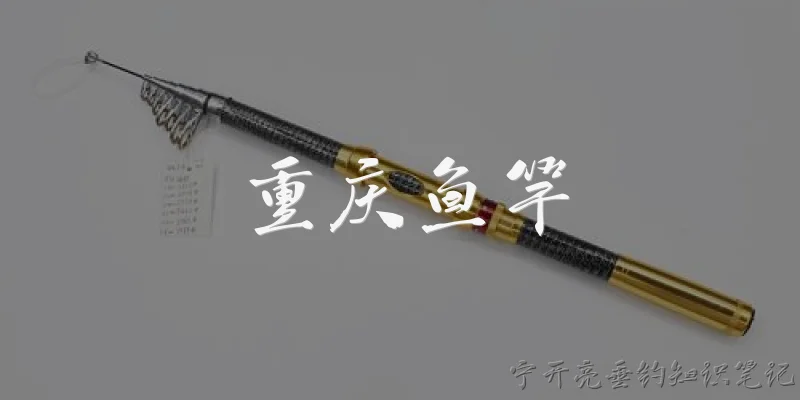
Common scenarios of "Chongqing fishing rod"
【Fishing Enthusiast】 Hey, I heard you're into fishing. Have you ever tried a Chongqing fishing rod?
【Local Angler】 Oh, absolutely! Chongqing rods are famous around here. They're known for their flexibility and strength, perfect for the fast waters of the Jialing River.
【Fishing Enthusiast】 Really? I've mostly used carbon fiber rods from Japan. What makes Chongqing rods special?
【Local Angler】 Well, traditional Chongqing rods are often made from a type of bamboo called 'bamboo from the mountains' that grows in the Sichuan basin. It's lightweight but incredibly durable.
【Fishing Enthusiast】 Bamboo? I thought modern rods are all synthetic. Isn't bamboo outdated?
【Local Angler】 Not at all. Many local anglers still prefer bamboo for its sensitivity. You can feel the slightest nibble. Plus, it's a craft passed down for generations.
【Fishing Enthusiast】 That's fascinating. Are there different types of Chongqing rods?
【Local Angler】 Yes, there are hand-made ones and factory-made ones. The hand-made ones, like those from Beibei district, are prized for their craftsmanship.
【Fishing Enthusiast】 I see. How do they compare in performance to, say, a graphite rod?
【Local Angler】 Graphite is lighter and more sensitive for certain techniques, but Chongqing bamboo rods have a unique 'soft' action that's great for fighting big fish in strong currents.
【Fishing Enthusiast】 So they're more for river fishing than lake fishing?
【Local Angler】 Exactly. In Chongqing, we often fish in rivers with rocky bottoms and swift water. The rod's flexibility helps absorb the shock and prevents line breakage.
【Fishing Enthusiast】 I'd love to try one. Where can I get a good Chongqing fishing rod?
【Local Angler】 You can find them in specialty shops in Chongqing, or online. But be careful—there are cheap imitations. Look for ones with a lacquered finish and a solid handle.
【Fishing Enthusiast】 Thanks for the tip. Are they expensive?
【Local Angler】 A decent handcrafted one can cost a few hundred yuan, while a basic factory-made one might be under a hundred. It depends on the maker and material.
【Fishing Enthusiast】 That's reasonable. Do you use one yourself?
【Local Angler】 Of course! I have a 7.2-meter one that I've used for years. It's my go-to for catching carp and catfish in the Yangtze.
【Fishing Enthusiast】 Sounds like a great rod. I'll definitely check them out next time I'm in Chongqing.
【Local Angler】 You won't regret it. Just remember to practice your casting—these rods have a different feel than what you're used to.