How to adjust the float for float fishing grass carp:How do I adjust the float for float fishing grass carp in 2026?
Q: How do I adjust the float for float fishing grass carp in 2026?
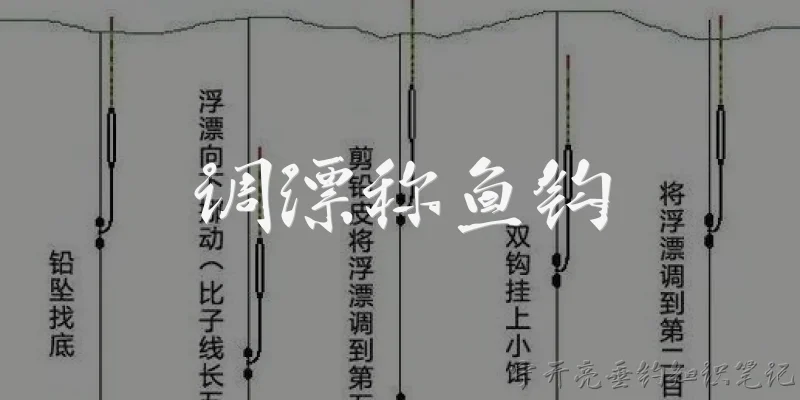
A: Adjusting your float for grass carp in 2026 starts with matching your rig to the conditions. Grass carp often feed in the upper and middle layers, so begin with a sensitive float that has a slim body and a bright, visible tip. Set your shotting pattern so the float sits with only one to two inches of tip showing above the surface, which lets you detect the subtle bites grass carp often give. If you are fishing shallow, move the float stopper down toward the hook; for deeper swims, slide it up so the bait sinks to the desired depth. A good starting point is a depth of two to four feet in warm weather when grass carp are actively cruising. On pressured 2026 venues, consider a slightly heavier float to cut through surface ripple and wind. Fine-tune during the session: if you get line bites or the float dips without a proper take, add a small shot near the hooklink to stabilize the bait. If you miss fast bites, remove a shot to make the rig more responsive. Always re-check your float after changing bait size, because a heavier bait needs more buoyancy to sit naturally. This patient adjustment process is the key to consistent grass carp catches.
Q: What is the best float setup and shotting pattern for grass carp in 2026?
A: The best float setup for grass carp in 2026 combines a loaded or slightly loaded waggler with a balanced shotting pattern. Choose a float rated around 2 to 4 grams for still waters and up to 6 grams for rivers or windy lakes. Start with a bulk of shot placed about two-thirds down the line, then add smaller dropper shot closer to the hooklink. This gives a stable rig that still registers delicate lifts and dips. For grass carp, a common 2026 pattern is three to four number 8 shot as droppers, with the bulk made of number 4 or number 6 shot. Position the float stopper so the hookbait sits just off the bottom or in the mid-water layer where grass carp often feed. Use a float with a thin, highly visible tip, especially in low light or against far banks. If you fish with particles like sweetcorn or pellets, set the float to show about one inch of tip, then adjust until the bait sinks naturally without dragging. On commercial fisheries, many anglers now use inline or pellet waggler floats for accurate casting. The key is to test in shallow water first: drop the rig in and watch whether the float cocks correctly. If it lies flat, add buoyancy; if it sinks too far, remove a shot. This simple check saves hours on the bank.
Q: How do weather and depth affect float adjustment for grass carp in 2026?
A: Weather and depth dramatically affect how you adjust the float for grass carp in 2026. On hot, bright days, grass carp often rise to the upper layers, so set your float shallow, sometimes only 12 to 18 inches deep, and use a light, slow-sinking bait. In cool or overcast conditions, they tend to hold deeper, so slide the float stopper up and fish two to six feet down or even near the bottom. Wind is another factor: a strong crosswind pushes a light float off line, so switch to a heavier float and move the bulk shot lower to keep the bait stable. Rain can add oxygen and make grass carp feed more confidently, allowing a more sensitive float setting with less shot. Depth changes also mean re-adjusting your shotting: in shallow water, fewer and smaller shot prevent spooking fish, while in deep water a heavier bulk helps the bait reach the zone quickly. In 2026, many anglers use adjustable float stops and quick-change shot to adapt within seconds. Always start by plumbing the depth with a plummet, then set the float so the bait sits naturally. If you see signs of fish higher in the water, such as swirls or liners, bring the float down. If bites are slow and the float stays still, deepen the rig. This flexible approach keeps you catching grass carp in changing conditions.

Dialogue about
Common scenarios of "How to adjust the float for float fishing grass carp"
【Angler】 Hey, I've been trying to catch grass carp with float fishing but I'm not sure how to adjust the float properly. Can you help?
【Expert】 Sure! Grass carp can be tricky. First, what type of water are you fishing in? Still or moving?
【Angler】 It's a still pond, about 2 meters deep.
【Expert】 Okay. For still water, you want your float to be sensitive but stable. Start by setting the float so that the bait sits just off the bottom. How are you rigging your line?
【Angler】 I'm using a simple running float rig with a small lead shot above the hook.
【Expert】 Good. For grass carp, they often feed near the bottom but can come up. Adjust the float depth so the bait is about 10-20 cm above the bottom. That means set your float stop so the hook hangs at that depth.
【Angler】 How do I determine the exact depth? I mean, how do I know where the bottom is?
【Expert】 Use a plummet or a heavy lead to find the depth. Attach it to your hook, lower it until the float sits at the waterline, then mark that depth. Then adjust your float stop up by 10-20 cm.
【Angler】 Got it. But what about the float's buoyancy? Should I use a heavier float or a lighter one?
【Expert】 For grass carp, a medium-sized float with moderate buoyancy works well. Too light and it might be affected by wind; too heavy and it won't show subtle bites. A float with about 2-3 grams of shot capacity is a good start.
【Angler】 I see. And how many shot should I use? I currently have one small shot.
【Expert】 You should use multiple shot to fine-tune the float's sensitivity. Start with a bulk shot near the float and then smaller shot down the line. This helps the bait sink naturally and shows bites better.
【Angler】 How do I know if the float is adjusted correctly? What should it look like?
【Expert】 When properly adjusted, the float should sit with only the tip showing above water. When a fish takes the bait, the float should either dip or rise. If it's lying flat, it's too deep; if it's floating too high, it's too shallow.
【Angler】 Okay, so I need to keep adjusting until the float tip is just above water. But what about the wind? It's a bit breezy today.
【Expert】 In wind, you might need a slightly heavier float or add more shot to keep the line stable. Also, cast slightly upstream so the wind carries your float naturally. You can also use a longer float with a thicker tip for visibility.
【Angler】 Makes sense. Should I use a float with a long stem or a short one?
【Expert】 A long-stemmed float is better for grass carp because it shows lifts and dips more clearly. Also, it's more stable in choppy water.
【Angler】 Thanks! I'll try adjusting my float depth and shotting pattern. Any other tips?
【Expert】 Remember to strike when the float moves decisively. Grass carp have soft mouths, so a gentle strike is enough. Also, keep your line tight to detect bites. Good luck!