Lure casting techniques:What are the fundamental lure casting techniques every beginner should master?
Q: What are the fundamental lure casting techniques every beginner should master?
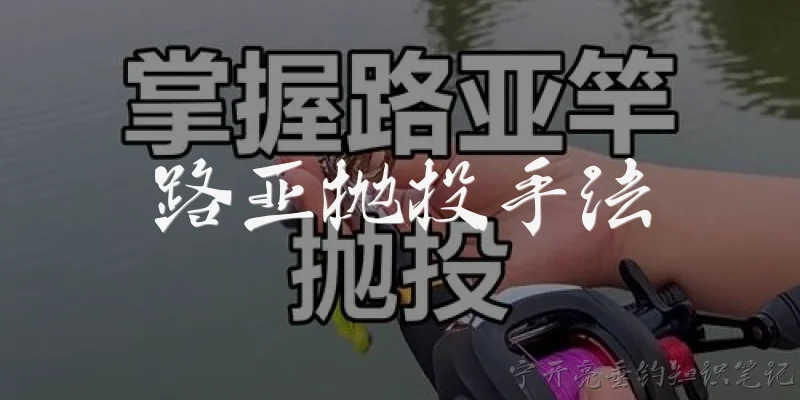
A: Beginners should focus on three core techniques: the overhead cast, the sidearm cast, and the pitch or flip. The overhead cast is the most versatile, using a smooth rod load and wrist snap to send lures accurately at distance. The sidearm cast keeps the lure low, ideal for windy conditions or casting under obstacles like branches. Pitching and flipping are short-range, low-trajectory techniques perfect for close targets and dense cover. Practice each with controlled, unhurried motions, watching your line and lure flight to build consistency. Start with lighter lures in open areas before adding distance and obstacles. Mastering line control—feathering the spool with your thumb or finger—matters as much as the cast itself, because it prevents backlash and improves accuracy. Regular practice with a single technique per session builds muscle memory fastest.
Q: How do I choose the right lure weight and rod action for accurate casting?
A: Match lure weight to your rod's rated casting range, usually printed near the handle. Casting below the low end causes backlash and weak distance; exceeding the high end strains the rod and reduces accuracy. For most general lure casting, a medium-power, fast-action rod handles a wide range of lures and delivers crisp tip recovery for accurate casts. Lighter lures cast better on medium-light or light rods, while heavy lures need medium-heavy or heavy power. Reel spool tension and braking systems should be adjusted so the lure falls slowly when the spool is released. A balanced outfit lets you load the rod smoothly and control the lure's trajectory. When in doubt, pick a lure near the middle of the rod's range for the best blend of distance, control, and durability.
Q: What are the best lure casting techniques for windy conditions?
A: In wind, use a low-trajectory cast and keep the lure close to the water or ground to reduce wind resistance. The sidearm or roll cast keeps the rod tip low and the line tight, improving accuracy and reducing backlash. Choose heavier, more aerodynamic lures and cast with the wind at your back when possible; casting into the wind requires more spool control and a firmer thumb. Tighten the spool tension and increase braking slightly to prevent overruns. Keep your casting motion compact and smooth rather than long and overpowered, since wind punishes exaggerated loops. Position yourself to cast downwind at targets and use the shoreline or structures as windbreaks. Finally, feather the spool consistently during flight and practice these adjustments in open areas before trying them around cover.
Q: How can I improve accuracy in lure casting toward specific targets?
A: Accuracy comes from repeatable mechanics, not power. Use a single, consistent casting motion and aim with your rod tip, not your wrist or shoulders alone. Practice the clock-face drill: pick targets at 10, 12, and 2 o'clock and cast to each until the lure lands consistently. Shorten your casting arc for closer targets and use pitching for very close ones. Stop the rod abruptly at the release point and feather the spool to control lure flight precisely. Use the same lure weight during practice so your timing stays consistent. Stand in a stable stance and rotate from the torso, keeping your eyes on the target through the entire cast. Skills like distance control, trajectory control, and line management will all improve with deliberate, focused practice sessions rather than random casting.
Words of experience
Common scenarios of "Lure casting techniques"
【Fishing Guide】 Hey there! I heard you're interested in leveling up your lure casting game. What's your current experience level?
【Angler】 I've been fishing for a couple of years, mostly with bait. I just picked up a baitcasting rod and I'm struggling with backlashes.
【Fishing Guide】 That's a common hurdle. First, let's talk about your brake settings. Are you using magnetic or centrifugal brakes on your reel?
【Angler】 It's a magnetic brake system. I've got it set pretty high right now to avoid tangles.
【Fishing Guide】 Good starting point. Try setting it to about 70% and practice smooth, lob casts with just the rod tip. No wrist snap yet.
【Angler】 So I should focus on a pendulum motion rather than trying to muscle it out there?
【Fishing Guide】 Exactly. Let the rod load and unload. Think of it as a smooth sweep, not a whip. Once you're consistent, gradually lower the brake.
【Angler】 That makes sense. What about spool tension? I've heard conflicting advice.
【Fishing Guide】 Set it so your lure falls slowly when you press the thumb bar, then stops when it hits the ground. That's your baseline.
【Angler】 Okay, I'll adjust that. Now, when should I switch to pitching or flipping instead of a standard cast?
【Fishing Guide】 Pitching is great for close quarters and accuracy under overhangs. Flipping is even shorter, for heavy cover. Both keep the lure low to the water.
【Angler】 I fish a lot of docks and laydowns. Would pitching be my best bet there?
【Fishing Guide】 Absolutely. Pitching lets you skip baits under docks and place lures quietly. Practice with a jig in your yard at a bucket.
【Angler】 How do I get the lure to skip? Mine always digs in and stops short.
【Fishing Guide】 Use a flatter trajectory and a lure that skips well, like a stickbait or a swim jig. Keep the rod tip low and follow through after release.
【Angler】 I'll try that. What about casting distance? I feel like I'm not getting enough distance with lighter lures.
【Fishing Guide】 Lighter lures need a softer rod and less brake. Try a medium-light rod and a shallow spool. Also, use a smooth, accelerating cast rather than a hard snap.
【Angler】 Got it. One last thing: how do I cast accurately into wind without backlashing?
【Fishing Guide】 Cast lower and sidearm into the wind, and increase your brake slightly. Also, keep your thumb feathering the spool throughout the cast for control.
【Angler】 Thanks! I'll practice these tips this weekend. Tight lines!