Can grass carp be released into rivers?:Can grass carp be released into rivers?
Q: Can grass carp be released into rivers?
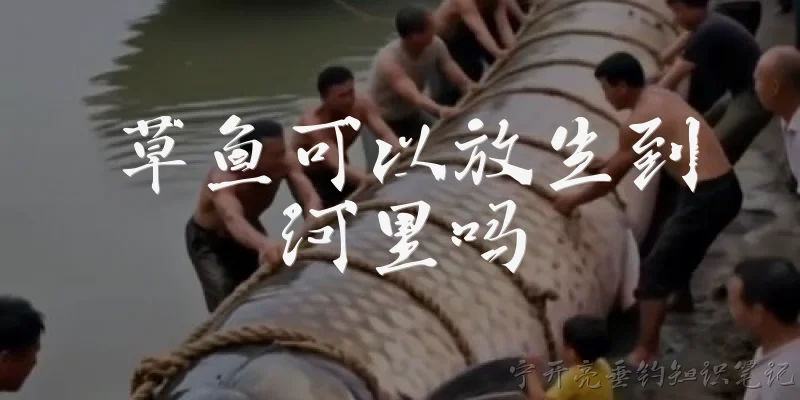
A: Releasing grass carp into rivers is generally not recommended without careful consideration. Grass carp are herbivorous and can consume vast amounts of aquatic vegetation, potentially destroying habitats for native fish and invertebrates. They are also non-native in many regions, and their introduction can disrupt local ecosystems. In some areas, releasing grass carp is illegal without a permit. While they can help control invasive plants in enclosed waters, rivers are open systems where they can spread uncontrollably. Therefore, it is best to consult local environmental authorities before any release, and usually, alternative native species are preferred for river restoration.
Q: What ecological risks do grass carp pose if released into rivers?
A: Grass carp can cause significant ecological damage when released into rivers. They consume large quantities of aquatic plants, which are crucial for oxygen production, shelter for small fish, and spawning grounds. This can lead to increased water turbidity, algal blooms, and loss of biodiversity. Additionally, grass carp may outcompete native herbivorous fish for food. Their feeding behavior can also uproot plants, destabilizing riverbanks and increasing erosion. In regions where they are not native, they can become invasive, spreading rapidly and altering the entire food web. Thus, their release should be strictly regulated to protect river ecosystems.
Q: Are there legal restrictions on releasing grass carp into rivers?
A: Yes, in many countries and regions, releasing grass carp into rivers is subject to legal restrictions. For example, in the United States, several states prohibit the introduction of grass carp into public waters without a permit, as they are considered invasive in some areas. In the European Union, grass carp are listed as an invasive alien species in some member states, making their release illegal. In China, while grass carp are native, releasing them into rivers may still require approval to prevent ecological imbalance. Violations can result in fines or penalties. Always check local regulations before considering any release.
Q: What are the benefits and drawbacks of using grass carp for river vegetation control?
A: Using grass carp for river vegetation control has both benefits and drawbacks. On the benefit side, they can effectively reduce excessive aquatic plants, which may improve water flow and navigation. However, the drawbacks often outweigh the benefits in open river systems. Grass carp are indiscriminate feeders, so they may eliminate all vegetation, not just target species. This can destroy habitat for native fish and wildlife, reduce water quality, and lead to algal dominance. Moreover, they can escape and spread to other water bodies. In contrast, integrated approaches using native species or mechanical removal are more sustainable for river management.
Q: What should be considered before releasing grass carp into a river?
A: Before releasing grass carp into a river, several factors must be considered. First, check local laws and regulations, as release may be prohibited or require a permit. Second, assess the river's ecosystem: are there native plants and animals that could be harmed? Grass carp are voracious herbivores and can decimate vegetation, so their impact on the food web must be evaluated. Third, consider whether the river is connected to other water bodies, allowing escape. Fourth, determine if alternative, less invasive methods can achieve the desired outcome. Finally, consult with fisheries or environmental agencies to make an informed decision. In most cases, releasing grass carp is not advisable.
Words of experience
Common scenarios of "Can grass carp be released into rivers?"
【Fishery Officer】 Good morning, everyone. Today we're discussing whether grass carp can be released into rivers. This is a common question from the public.
【Ecologist】 Thanks for having me. Grass carp are native to many Asian rivers, but their release can still cause ecological imbalances if not properly managed.
【Angler】 I've seen people release grass carp into rivers to control algae. Is that effective?
【Fishery Officer】 Grass carp primarily eat aquatic plants, not algae. They can help with certain vegetation, but overstocking can lead to loss of habitat for native species.
【Ecologist】 Exactly. In some regions, grass carp are considered invasive. They can consume vast amounts of aquatic vegetation, disrupting the food web.
【Angler】 But if they're native, isn't it okay to release them?
【Ecologist】 Even native species can become problematic if released in unnaturally high numbers or into areas where they didn't historically occur.
【Fishery Officer】 We also need to consider disease transfer. Farmed grass carp might carry pathogens that wild populations aren't resistant to.
【Angler】 So what are the regulations? Can individuals release grass carp into rivers legally?
【Fishery Officer】 In many jurisdictions, releasing any fish into public waters without a permit is illegal. You should always check local laws.
【Ecologist】 And even with a permit, a thorough environmental impact assessment is necessary before any release.
【Angler】 What about using grass carp for biological control in enclosed ponds? That seems safer.
【Ecologist】 Yes, in controlled systems with no connection to natural waterways, it can be a viable method. But they must be sterile to prevent reproduction.
【Fishery Officer】 Sterile grass carp are often used in such cases. However, accidental escape into rivers can still happen during floods.
【Angler】 Are there alternatives to grass carp for vegetation control in rivers?
【Ecologist】 Mechanical removal, native herbivorous fish, or even shading techniques can be more environmentally friendly.
【Fishery Officer】 Also, restoring native plant communities can naturally balance the ecosystem without introducing non-native species.
【Angler】 So the consensus is: don't release grass carp into rivers without careful consideration and legal permits?
【Ecologist】 Absolutely. Each case is different, but the precautionary principle should guide us. Protect native biodiversity first.
【Fishery Officer】 Well said. Always consult with local fishery authorities before any fish release. Thank you all for this informative discussion.